Rhinestone Jewelry, Women's Accessories, Tiaras, Crowns & More at Sparkle Sensation Advanced Search  |  Customer Service  |  Sign In

1-877-883-8860

Shopping Cart 0 items
Shop by Category
Sale
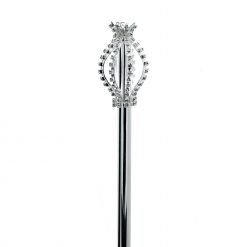
Mini Crown Scepter
Dressing up? Find it here. Everyday good value & hundreds of styles to choose from for all your special occasions including wedding, pageant, graduation, and prom!
Featured Items
Fireworks Tiara

$39.99
Fireworks Tiara

Pretty in Pink Tiara

$39.99
Pretty in Pink Tiara

Greek Goddess Tiara

$34.99
Greek Goddess Tiara

Waves of Ribbon Tiara

$34.99
Waves of Ribbon Tiara


Rhinestone Rocket Tiara

$24.99
Rhinestone Rocket Tiara


Flower Burst Tiara

$24.99
Flower Burst Tiara


Miniature Flower Tiara

$19.99
Miniature Flower Tiara


Heart and Bow Tiara

$24.99
Heart and Bow Tiara


What is Rhinestone?

The name Rhinestone originated from rock crystals collected from the banks of the River Rhine. Its popularity as imitation diamonds increased in the 18th century when jeweler Georg Friedrich Strass had the idea to coat the underside of glass with metal powder in order to increase the reflection. This becomes what is known today as Rhinestones!

By the 19th century, Daniel Swarovski drastically advanced the art of Rhinestone manufacturing. He improved how you cut the crystal facets to mimic those of gemstones with mass production efficiency. Today, quality rhinestones are still mainly manufactured in Austria by Swarovski, and in the Czech Republic by Preciosa.

During the mid 1950s there was breakthrough with Rhinestone colors. The Aurora Borealis (AB) rhinestones were invented, and they can shine with a variety of colors. The name Aurora Borealis refers to The Northern Lights that occurs in the northern regions of Earth. AB stones are manufactured by using microscopic layers of different materials and then they are vacuum plated to the underlying glass.

Besides the Aurora Borealis color effect, Rhinestones can come in other Transparent Colors (including clear) or polarized Effect Colors. Two or more polarized effect colors can show up on a stone depending on how light falls on it.

Rhinestones today can be made from glass, acrylic, quartz or crystal. They get their brilliance from the quality of the material they are made from, and the cut of the stone. Lead crystal glass has the best brilliance and is the most expensive material for rhinestones. Molding instead of actual cutting can form the CUT of a rhinestone although machine cut stones give the best effect. More cut facets does not automatically mean better brilliance, therefore, it is best to remember that rhinestones are best judged from the normal distance that they will be viewed. Rhinestones that look fantastic in your hand (approx 1-2 feet away) might not look as good when viewed on stage. We use stones best viewed at least 5 feet away.

From whatever material your Rhinestone piece was made, it is soft and should not be allowed to rub against each other. You can clean Rhinestones with a q-tip and alcohol. Water should not be used in order to avoid tarnishing the foil backing of your Rhinestone piece. Furthermore, sweat and oil from fingers will tarnish the surface of your jewelry. You should wipe down your piece with a dry soft cloth each time after it is worn, and then put it away in a dry place to slow oxidization. Residents in more humid climate or coastal areas can benefit with the use of a simple zip lock bag to hold and store their tiaras.